
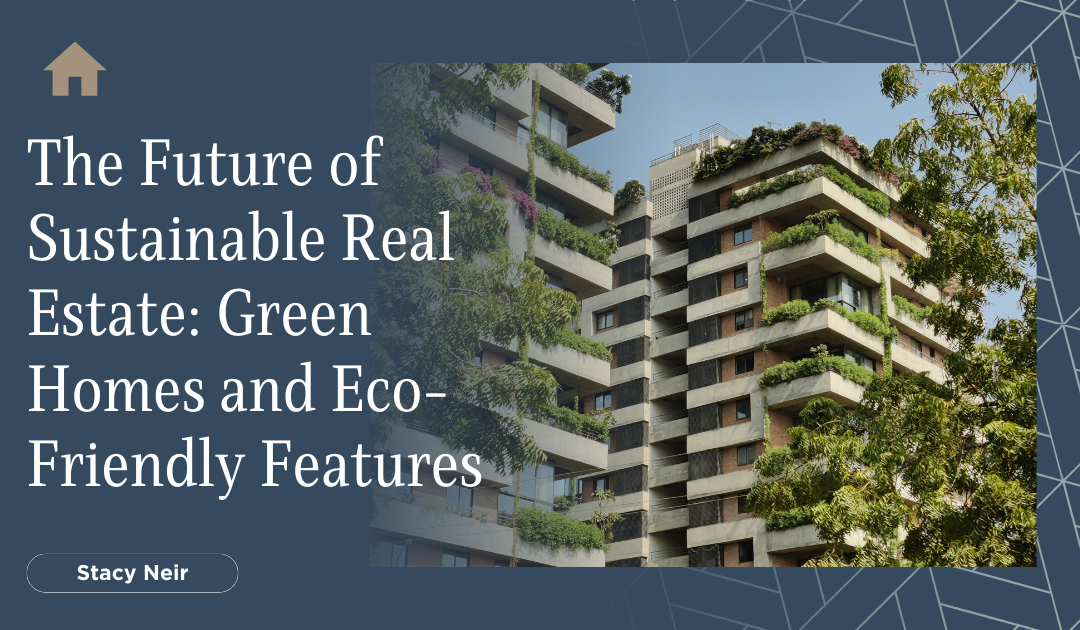
As the world becomes increasingly conscious of environmental challenges, sustainable real estate is rapidly gaining traction. Green homes and eco-friendly features are no longer just trends—they are becoming essential components of the real estate market. With growing concerns about climate change, resource depletion, and energy consumption, sustainable building practices are reshaping the way homes and commercial properties are designed, constructed, and maintained. The future of real estate lies in creating spaces that are energy-efficient, environmentally responsible, and socially beneficial.
One of the driving forces behind the shift towards sustainable real estate is the growing demand for energy-efficient homes. Homebuyers and renters are increasingly seeking properties that can reduce their environmental footprint and lower utility costs. This has led to the rise of homes equipped with solar panels, high-efficiency appliances, and smart thermostats that optimize energy use. Solar power, in particular, is a key player in green homes, as it allows homeowners to harness renewable energy from the sun, reducing reliance on fossil fuels and cutting electricity bills. Additionally, homes with energy-efficient features often qualify for tax incentives and rebates, making them more financially attractive.
Another significant eco-friendly feature gaining popularity in sustainable real estate is green building materials. From recycled and reclaimed wood to low-VOC paints and natural insulation, builders are increasingly using materials that have minimal environmental impact. These materials not only reduce the carbon footprint of a building but also contribute to healthier indoor air quality. For example, low-VOC (volatile organic compound) paints and finishes reduce harmful chemical emissions that can negatively affect both the environment and the health of the occupants. Additionally, the use of sustainable flooring options, such as bamboo or cork, is on the rise due to their renewability and minimal environmental impact.
Water conservation is another key focus in sustainable real estate. With water scarcity becoming an ever more pressing issue in many regions, eco-conscious homebuilders are incorporating features like low-flow toilets, water-saving faucets, and rainwater harvesting systems. These innovations not only help conserve valuable water resources but also reduce water bills for homeowners. In regions prone to drought, homes with water-efficient features can be especially attractive to buyers looking to minimize their environmental impact.
Smart home technology is playing an integral role in the rise of sustainable real estate. Through the use of interconnected devices and systems, smart homes can help homeowners monitor and control energy consumption more efficiently. Smart thermostats, for example, learn a homeowner’s habits and adjust the temperature accordingly, ensuring that energy is not wasted when the house is unoccupied. Similarly, smart lighting systems can automatically adjust based on the time of day or occupancy, reducing unnecessary energy usage. The integration of these technologies in new and existing homes makes it easier for homeowners to live sustainably without sacrificing comfort or convenience.
The environmental impact of real estate extends beyond individual homes to the broader community level. Sustainable urban planning is becoming an important focus, with cities and developers working to create eco-friendly neighborhoods that promote a low-carbon lifestyle. This includes the integration of green spaces, pedestrian-friendly infrastructure, and access to public transportation. Walkable communities with green parks and sustainable transportation options reduce the need for car usage, helping to lower overall emissions and enhance residents’ quality of life.
In the commercial real estate sector, sustainability is also gaining momentum. Many businesses are seeking eco-friendly office buildings and retail spaces to align with their corporate social responsibility goals. LEED (Leadership in Energy and Environmental Design) certification, which recognizes buildings that meet high environmental standards, has become a sought-after credential for commercial properties. Green office buildings with energy-efficient HVAC systems, advanced lighting, and low-water-use features are not only more sustainable but can also attract tenants who value environmental responsibility.
The future of sustainable real estate is bright, as both consumers and developers are increasingly prioritizing environmental stewardship. With continued innovation in green building technologies and practices, sustainable real estate is expected to become the standard in both residential and commercial sectors. As demand for eco-friendly homes and buildings grows, sustainability will no longer be viewed as an added benefit but as an essential aspect of the real estate landscape. By embracing green building practices, the industry can contribute to a more sustainable and resilient future for generations to come.